Mindset as Medicine · September 23, 2026 · 5 minute read
Some students understand the material and still fall behind. Assignments go missing, big projects start the night before they are due and the planner stays empty. Often the problem is not ability. It is executive function, the set of skills that turns knowing what to do into actually doing it.
What is executive function?
Executive function describes the mental skills we use to manage ourselves and our work. They include:
- Planning and prioritizing
- Organizing materials, time and ideas
- Getting started on a task
- Holding information in mind while working
- Sustaining focus
- Shifting strategies when something is not working
- Checking one's own work and progress
These skills keep developing through adolescence and into early adulthood, which is one reason middle and high school can feel so demanding. The workload grows faster than the skills to manage it.
Signs your student may need support
- Understands the material but misses deadlines or forgets to turn work in
- Struggles to get started, especially on large or open-ended assignments
- Waits until the last minute and then feels overwhelmed
- Loses track of materials, grades or due dates
- Studies for a long time without making much progress
- Feels discouraged and starts to believe they are just not good at school
These patterns are common and they are not a character flaw. They are skills, and skills can be taught.
Coaching or tutoring?
Tutoring usually focuses on content, such as re-teaching a math concept or reviewing for a test. Executive function coaching focuses on process. A coach helps a student build the systems and habits behind good work: breaking a project into steps, planning the week, starting before the deadline and checking progress along the way. Many families find that once these habits are in place, the need for tutoring shrinks.
What happens in a coaching session
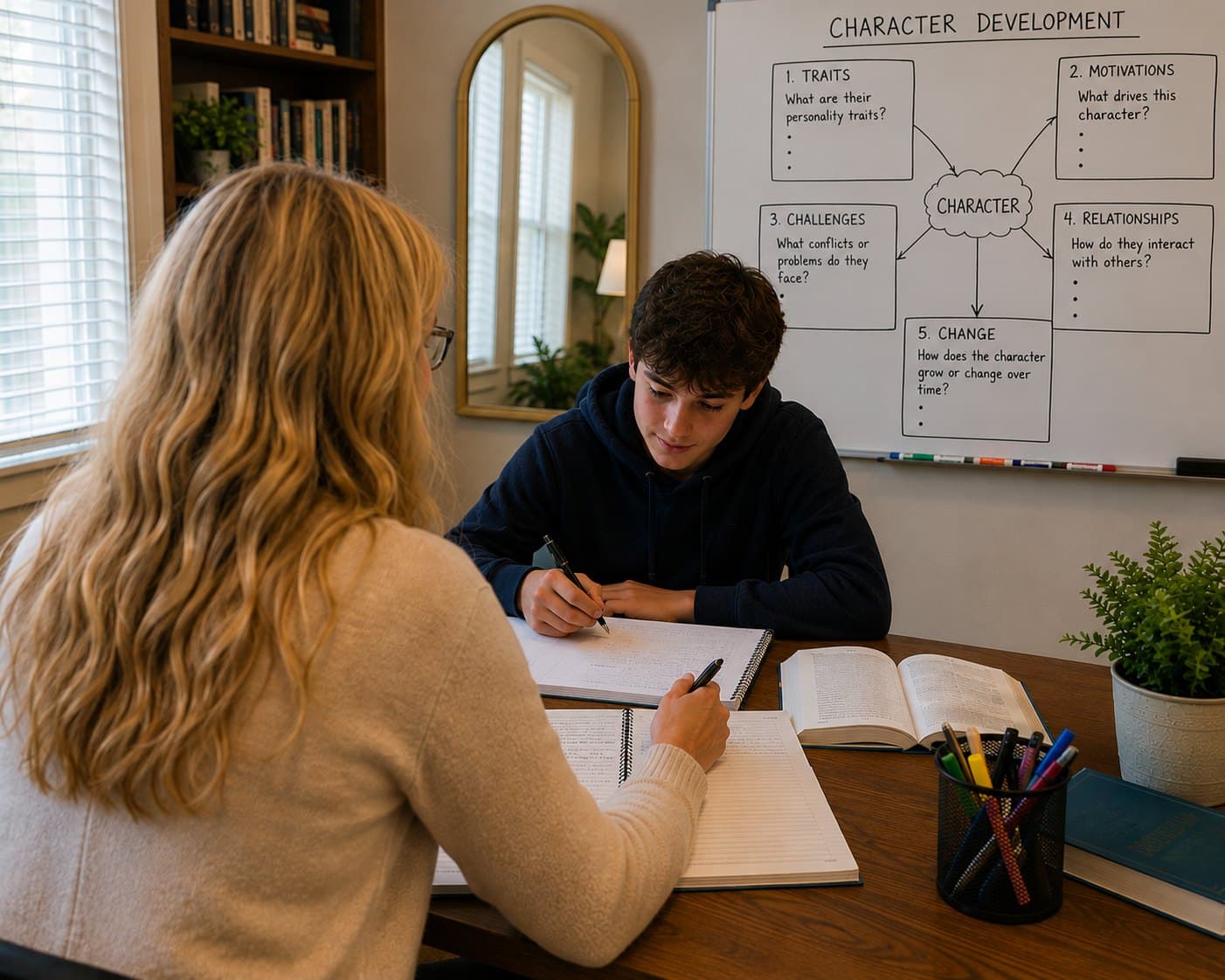
At Mindset as Medicine, coaching sessions use the student's current classwork as a vehicle for developing stronger learning skills. Together the student and coach identify the thinking, habits or challenges getting in the way, then build a practical process the student can use on the next assignment and the one after that. The goal is independence, not dependence on a tutor.
When to involve other professionals
Coaching builds skills. It is not a diagnosis or a treatment. If you have questions about attention, learning differences or anxiety, your pediatrician, a school psychologist or a licensed clinician can help you understand what is going on. Coaching often works well alongside that support.
Getting started
Academic coaching with Sandy Brown, M.Ed. is available in person in Northern Virginia or online. The first step is a free 20-minute call to talk through what your student needs.