Mindset as Medicine · September 23, 2026 · 6 minute read
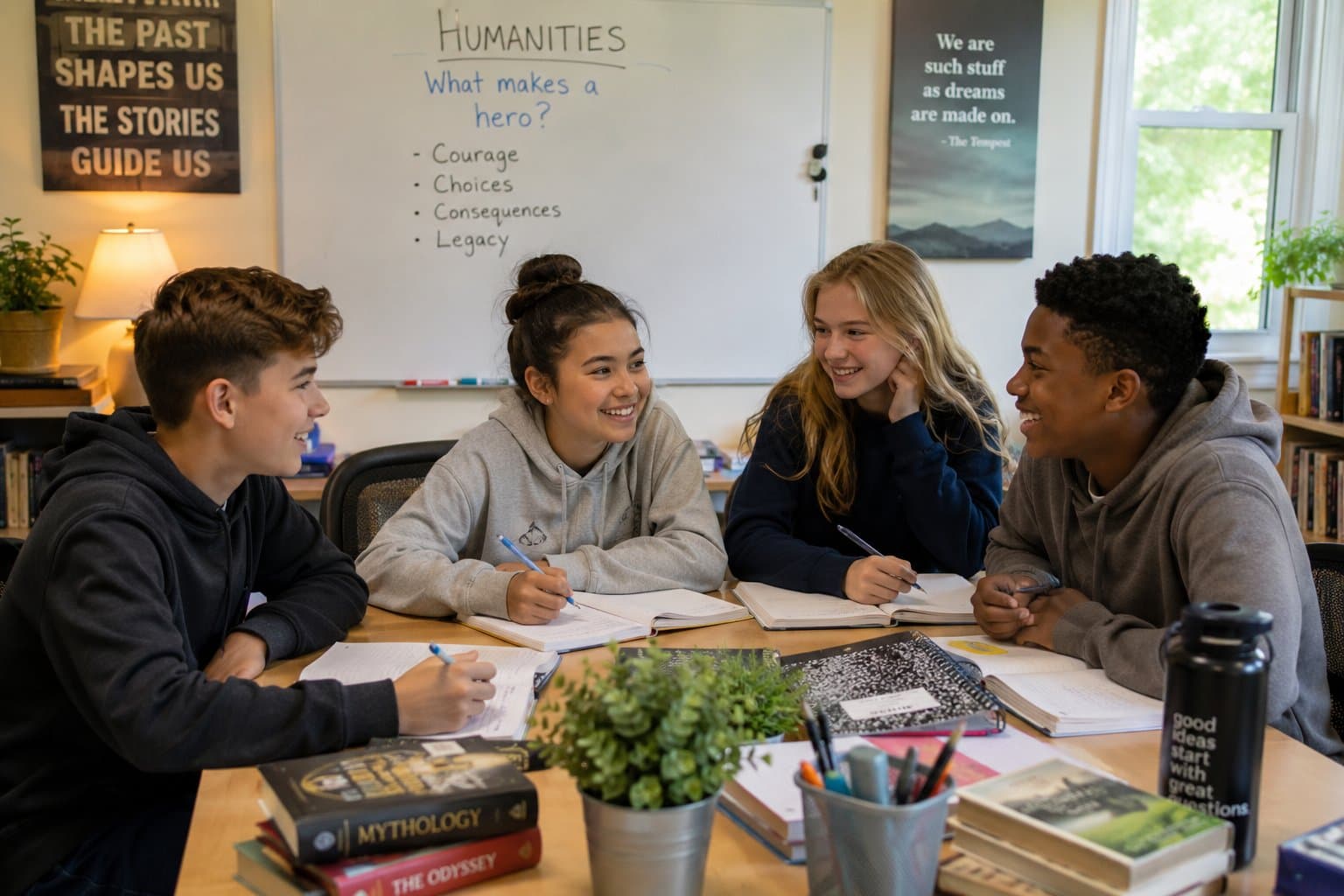
More families are choosing to homeschool, sometimes at the start of a school year and sometimes partway through it. If you are considering the move for a middle or high school student, the legal steps in Virginia are straightforward. The bigger work is building a rhythm, a curriculum and a community that help your child thrive.
1. Understand Virginia's home instruction law
Home instruction in Virginia is governed by section 22.1-254.1 of the Code of Virginia. To homeschool under this law, a parent must meet one of four options:
- Hold a high school diploma
- Be a teacher with the qualifications prescribed by the Virginia Board of Education
- Provide a program of study or curriculum, which may be delivered through a correspondence course, a distance learning program or another method
- Provide evidence of the ability to provide an adequate education for the child
Virginia also allows a religious exemption under a separate provision of the law. The Home Educators Association of Virginia (HEAV) explains both options in detail.
2. File a notice of intent
Families notify their local division superintendent each year by August 15. The notice includes a list of the subjects your child will study in the coming year and evidence that you meet one of the four options above. In Fairfax County the notice goes to Fairfax County Public Schools.
If you begin homeschooling after the school year has started, or move into a new school division, notify the superintendent as soon as practicable. You then have 30 days to meet the requirements.
3. Plan for evidence of progress
By August 1 after each homeschool year, families provide evidence that the child is making adequate progress. The law accepts a composite score in or above the fourth stanine on a nationally normed standardized achievement test, or an equivalent ACT, SAT or PSAT score. It also accepts an evaluation or assessment the superintendent approves, such as an evaluation from a licensed teacher or someone with a master's degree. Keeping a simple portfolio of writing samples and projects through the year makes this step much easier.
4. Build a rhythm, not a school day
Homeschool does not need to copy the school bell schedule. Many families find that focused morning work, time for reading and projects in the afternoon, and one or two outside classes each week create a steady rhythm. For middle schoolers, writing, reading and organization deserve special attention, because they carry into every other subject.
5. Find structure and community
Most homeschool families combine learning at home with outside classes, co-ops, library programs and activities. These give students deadlines, discussion and friendships, and give parents a break from being the only teacher. In Northern Virginia, small-group homeschool classes in English and History meet at Unity of Fairfax Church in Oakton, and one-on-one academic coaching can help a student build the independence homeschooling asks for.
A note on this guide
This is a plain-language summary for parents, not legal advice. Requirements can change, so confirm the current rules with your school division, the Virginia Department of Education and HEAV before you file.